The Web of the Wild
Low-growing & herbaceous plant communities
The layer at your feet that most people walk straight past.
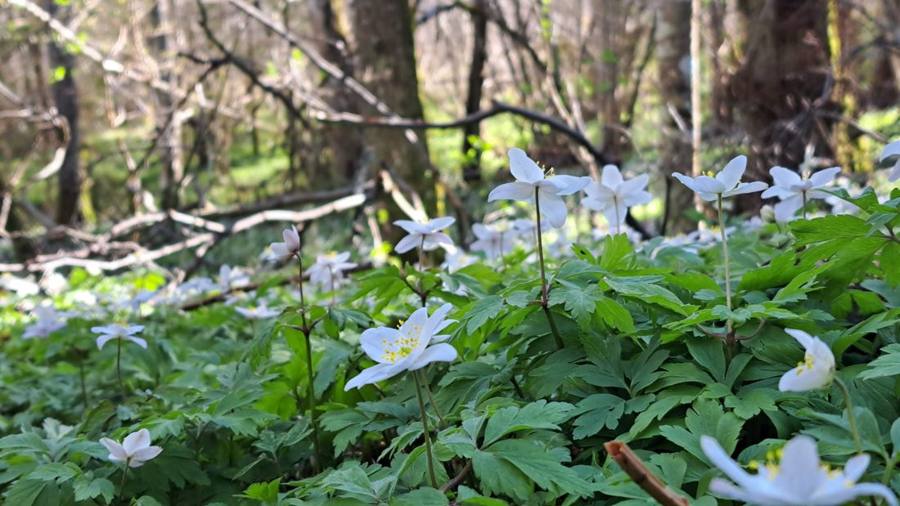
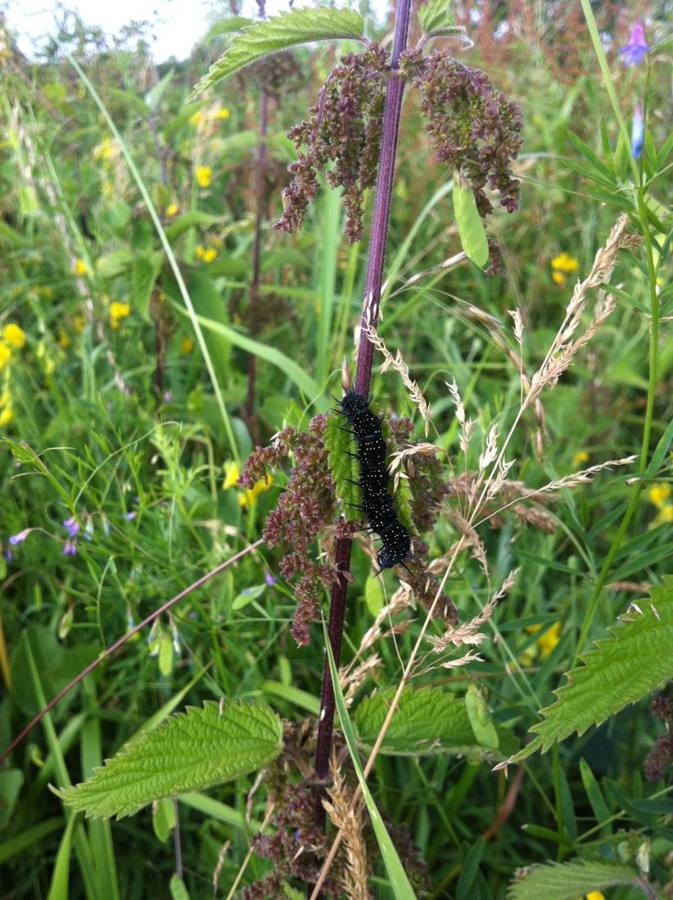
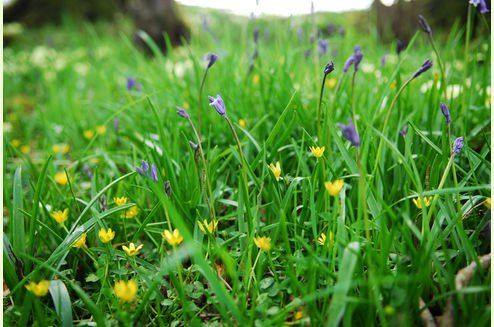
Nettles, dandelions, grasses, clovers, plantains and bluebells draw your eye to a layer we usually step over. Leaves, flowers and seeds change with the seasons, and these plants link up with grazers, pollinators and countless smaller neighbours. Nettles, for instance, feed peacock and small tortoiseshell caterpillars and shelter the aphids that ladybirds eat.
Getting to know a plant means getting to know those relationships, alongside questions about its uses. Care often grows as a patch becomes familiar. Mosses, ferns and fungi deserve attention here too, even if they don't fit neatly under the label.